Coming Soon!
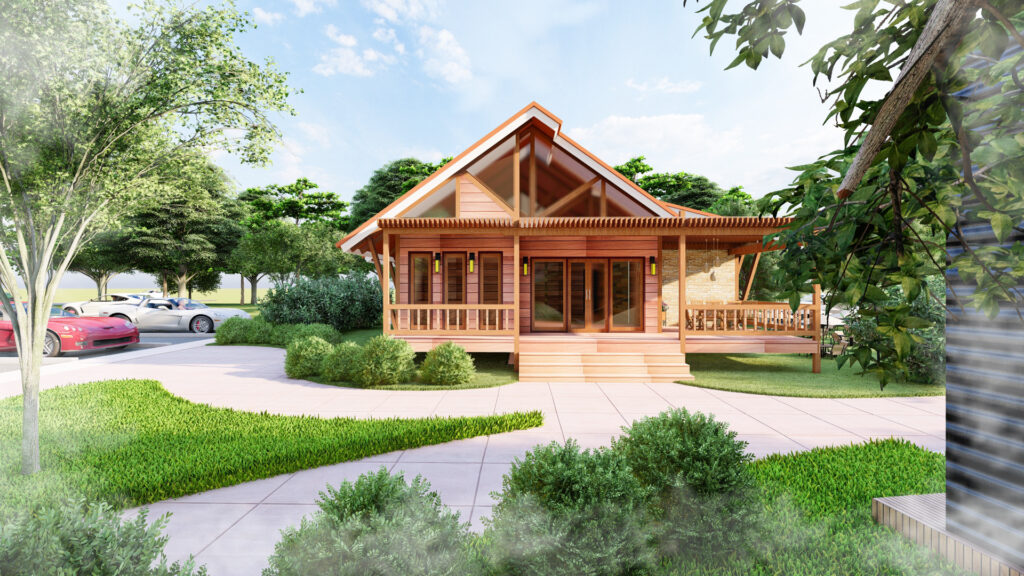
Chestnut Gardens Retreat Center @ Tin City
Chestnut Gardens Retreat Center @ Tin City exists to restore, rewire, and renew the hearts of individuals and couples through immersive therapeutic experiences grounded in neuroscience, spirituality, and intentional community. Rooted in a serene, natural setting, the retreat is designed as a living extension of this work—a sanctuary where generational patterns can be interrupted, nervous systems can settle, and authentic connection can be rebuilt. Through guided healing, shared rhythms of rest and reflection, and relationally rich environments, Chestnut Gardens helps people rediscover one another and cultivate resilient, life-giving love that can be carried back into their homes and communities. Read More
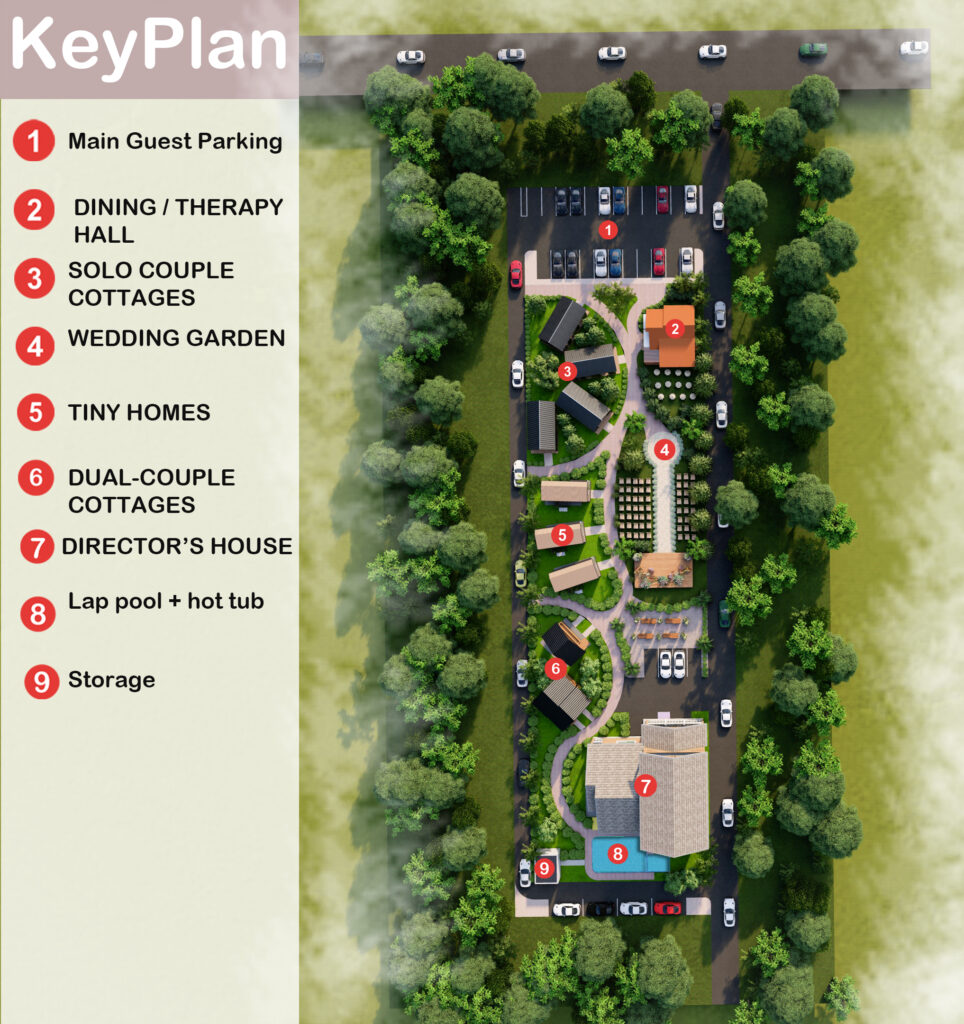
The illustrated KeyPlan for Chestnut Gardens, clearly marking all major components: Main Guest Parking, Dining/Therapy Hall, Solo Couple Cottages, Wedding Garden, Tiny Homes, Dual-Couple Cottages, Director’s House, Lap Pool & Spa area, and Storage. This map demonstrates organized flow and intuitive campus zoning.
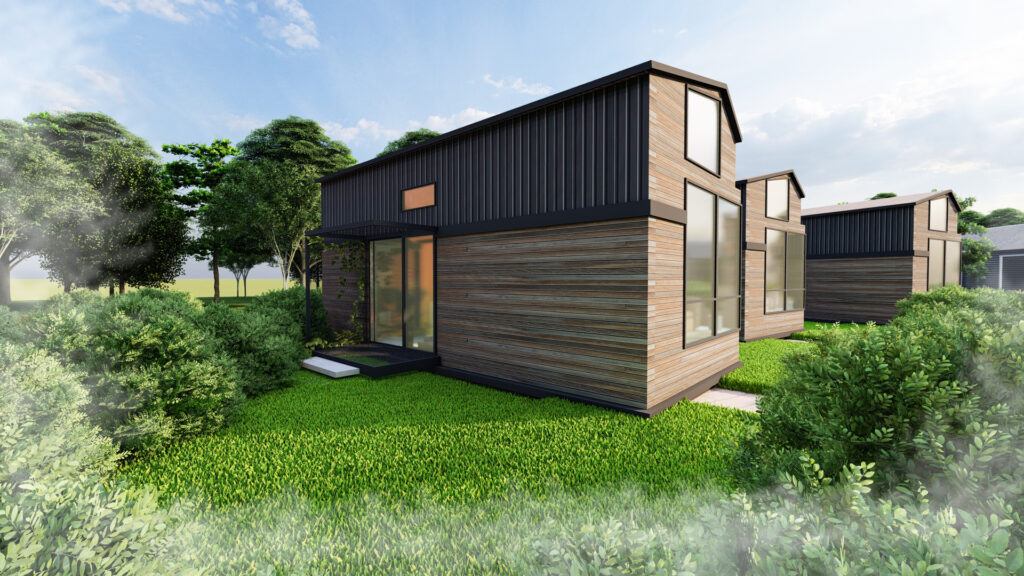

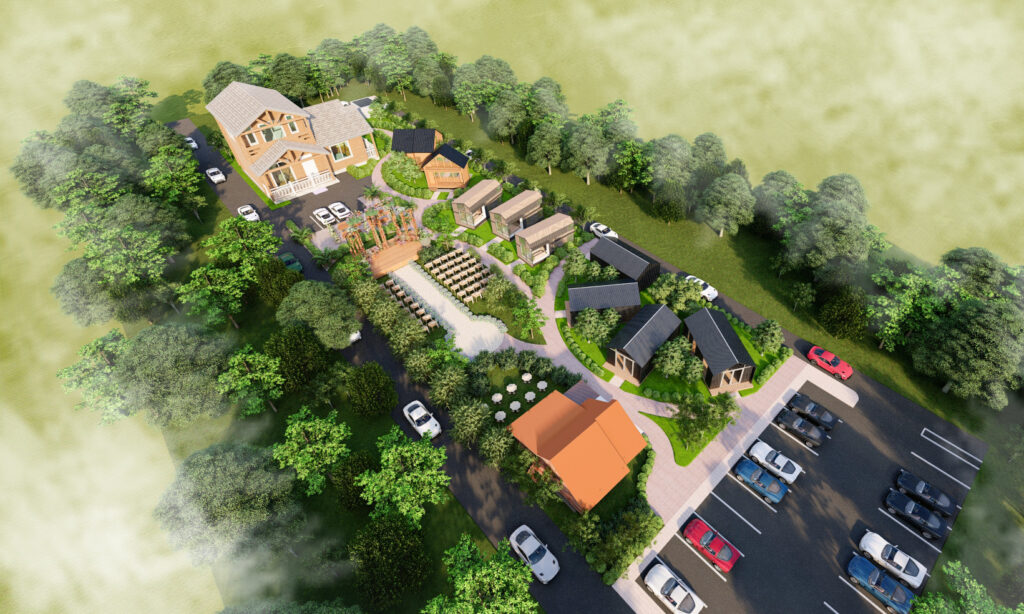
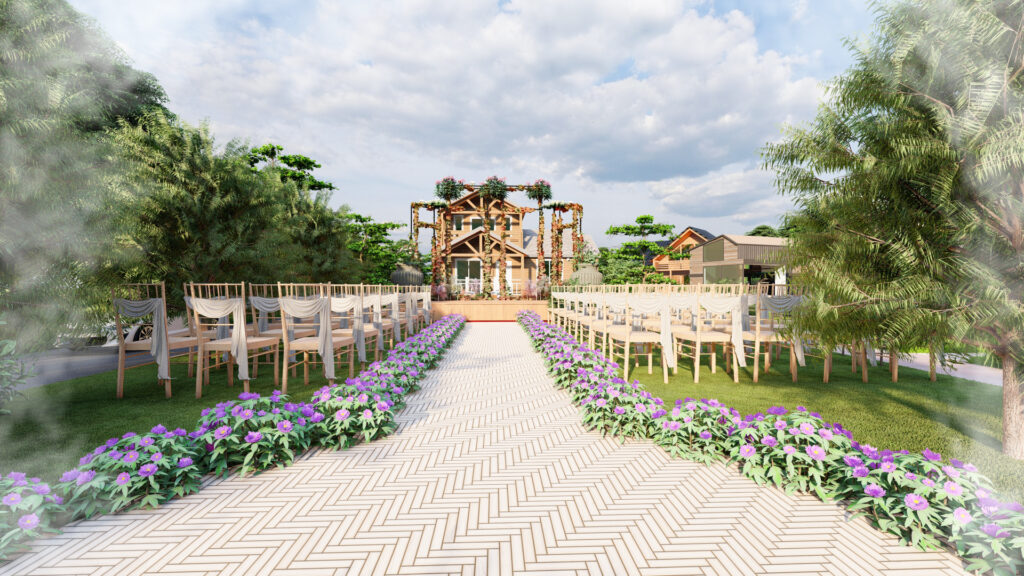
Chestnut Gardens Retreat Center @ Tin City
Role in Mitigating Black Women’s Unemployment
Chestnut Gardens Retreat Center @ Tin City is the physical anchor of an economic-healing ecosystem. It is not simply a venue; it is a place where nervous-system regulation, identity repair, authority-building, and relational capital come together in embodied, real-world experience.
Unemployment—especially for Black women—is amplified by isolation, dysregulation, burnout, and invisibility. Digital tools can initiate change, but sustained transformation requires embodied safety, relational presence, and protected time. Chestnut Gardens provides what the modern economy does not.
Primary role: to convert fragmented recovery into coherent reintegration.
The Core Economic Function of the Retreat
Marriage and Family Stabilization as Economic Infrastructure (Centered on Black Women)
At the center of the Chestnut Gardens Economic Healing Ecosystem is a core conviction: the economic destabilization of Black women cannot be separated from the destabilization of the Black family, and strengthening marriage is foundational to rebuilding both.
Black women are disproportionately impacted by economic policy failures and societal prejudice—often carrying the dual burden of primary economic responsibility and relational repair. When employment is disrupted, Black women absorb the shock not only as workers, but as caregivers, stabilizers, and emotional anchors within households.
Economic instability does not only disrupt individual workers—it fractures households, weakens intergenerational security, and erodes the relational container that allows Black women to pursue education, entrepreneurship, leadership, and sustained work. Strengthening marriage and relational stability within the Black community is therefore not ancillary to economic healing; it is economic infrastructure that directly protects and empowers Black women.
Chestnut Gardens intentionally integrates marriage and family strengthening—through Sizzling Hot Marriage and Love Reimagined frameworks—as a stabilizing force that:
reduces the disproportionate economic load placed on Black women
increases household resilience during job loss or transition
supports Black women’s sustained workforce participation and entrepreneurship
mitigates burnout, overfunctioning, and survival-based labor decisions
protects children and future generations from cascading economic harm
This ecosystem treats Black women’s economic stability as inseparable from relational and marital stability, positioning marriage as a force multiplier for Black women’s leadership, capacity, and long-term mobility.
The Core Economic Function of the Retreat
Chestnut Gardens operates simultaneously as:
A regulation and reset center
A network convergence space
An authority and leadership incubator
A pipeline launchpad for work and enterprise
A belonging-based infrastructure for long-term resilience
The retreat environment supports a movement from survival to stability, visibility, value, and leadership.
How the App and Brand Ecosystem Feeds the Retreat
Find My Classmates (FMC)
Function: Social capital repair and network reactivation.
FMC reconnects individuals through shared history and trust, reactivating dormant networks that shorten unemployment duration and increase access to informal opportunity. The retreat allows these reconnected networks to deepen through in-person cohorts, collaboration, and mutual support.
Follette Speaker Kit (FSK)
Function: Authority development and income diversification.
FSK prepares participants to translate lived experience into monetizable authority. At the retreat, speakers participate in storytelling labs, showcases, and leadership intensives that increase confidence, visibility, and income per engagement.
NORM / NRP
Function: Capacity stabilization and identity repair.
NRP addresses the neuro‑relational damage of unemployment, burnout, and chronic overfunctioning experienced by Black women. Retreat‑based programming provides regulation, pacing, and clarity, enabling participants to make sustainable economic decisions rather than survival‑based choices.
Chestnut Gardens also serves as a restorative environment for marital harmony, recognizing that relational stability strengthens Black women’s capacity to pursue work, leadership, and long‑term economic mobility.
Love Reimagined Event Manager
Function: Relational and program infrastructure.
This system supports the design, scheduling, and scaling of retreats and cohort-based experiences. It ensures that transformation is repeatable, accessible, and economically viable rather than one-off.
Ambassador Program
Function: Leadership multiplication.
The Ambassador Program trains facilitators and community leaders who carry the work back into their own contexts. Retreats serve as commissioning and certification spaces, turning participants into economic multipliers.
Romancier
Function: Relational regulation and emotional sustainability.
Romancier supports daily practices that strengthen connection, reduce relational stress, and improve emotional resilience. This stability directly supports job retention, entrepreneurial endurance, and leadership longevity.
Clarity Companion
Function: Discernment and decision support.
Clarity Companion helps participants navigate complex work and life decisions. Retreat-based discernment sessions reduce false starts and promote long-term alignment in employment or enterprise.
D.O.N.E. Playbook
Function: Execution and momentum.
The D.O.N.E. Playbook translates insight into structured action. At the retreat, implementation labs and accountability cohorts ensure follow-through after participants return home.
Practices and Brands as the Trust Engine
Lifestyle Therapy and Coaching provides clinical legitimacy and trauma-informed care.
Sizzling Hot Marriage supports relational and household stability, which has downstream economic impact.
JoeFolletteSpeaks establishes narrative authority and public credibility.
NeuroSpire Labs anchors the work in innovation and research credibility, enabling future partnerships.
Together, these elements position Chestnut Gardens as a serious, safe, and scalable intervention.
The Economic Healing Flywheel
Digital entry points through apps, content, and coaching
Capacity repair through NRP, Romancier, and Clarity Companion
Authority development through FSK and Ambassador training
Network activation through FMC
Embodied convergence at Chestnut Gardens
Leadership replication as Ambassadors return to their communities
This flywheel generates audiences, income streams, trained facilitators, and long-term economic resilience.
Summary Statement
Chestnut Gardens Retreat Center @ Tin City serves as the physical home of an economic-healing ecosystem—where Black women restore capacity, reclaim authority, rebuild networks, and generate sustainable work beyond survival.
Joseph L. Follette Jr., M.Div., M.S., LMFT, is a therapist-founder, systems thinker, and relationship strategist devoted to helping individuals, couples, and communities heal at the nervous-system level. Blending neuroscience, psychology, faith-informed wisdom, and practical behavior change, Joe is the creator of the NORM™ / Neuro-Relational Rewiring framework and the Neuro-Relational Program (NRP), a structured pathway designed to move people from survival and reactivity into secure connection, agency, and sustained growth. As the founder of Lifestyle Therapy & Coaching and NeuroSpire Labs, and the voice behind Sizzling Hot Marriage and Love Reimagined, Joe’s work bridges clinical depth with scalable innovation—integrating therapy, coaching, digital tools, and community-based experiences to restore emotional health, relational resilience, and generational stability.